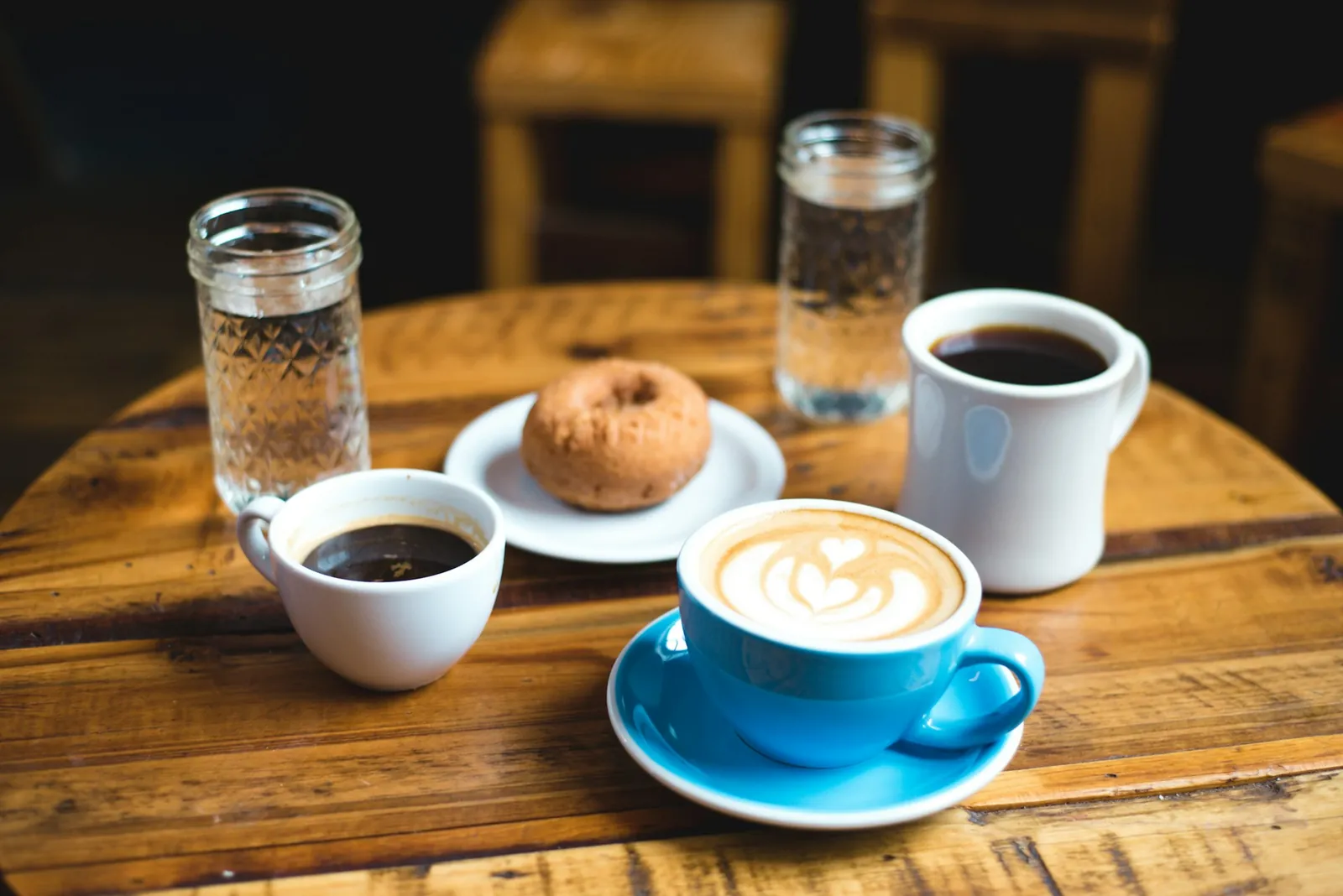
About thirty phrases cover most of what you need in Arguineguín, from ordering a coffee to asking the bus driver. Each comes with a rough pronunciation and a note on the Canarian differences.
You can get by in English in most hotels and tourist restaurants in Arguineguín, but a handful of Spanish phrases change the tone of everything else: the market stall, the bakery, the bus driver, the pharmacy counter. This page gives about thirty of them, with an English-style respelling to read aloud (stressed syllable in capitals), and a short section on the Canarian words you will hear that a mainland phrasebook will not teach you.
It is a phrasebook, not a course. For a longer list of words, including menu items, see the glossary of Spanish and Canarian words.
How Spanish sounds, and how Canarians change it
Spanish is read almost as it is written, and the vowels never change: a as in «father», e as in «bet», i as in «machine», o as in «hot», u as in «rule». The h is silent, j is a throaty «h», ll sounds like «y» in most places, and ñ is the «ny» of «canyon». In Arguineguín's name, the gu before i is a hard «g» and the u is silent, so it is roughly ar-gee-neh-GEEN.
Three things make Canarian Spanish sound different from the Spanish of Madrid.
- No lisp. The letters z and c (before e or i) are pronounced «s», as in Latin America, not «th». Gracias is GRAH-syass; cerveza is ser-BEH-sah.
- Soft final s. The s at the end of a syllable is weak or almost dropped, so buenos días can sound like «bueno dia».
- Ustedes, not vosotros. For «you» (plural) the islands use ustedes, as in Latin America, where mainland Spain uses vosotros.
If you pronounce it the textbook way, you will be understood perfectly. These are just the sounds you will hear around you.
Greetings and manners
| English | Spanish | Say it like |
|---|---|---|
| Hello / good morning | Hola / Buenos días | OH-lah / BWEH-nohss DEE-ahss |
| Good afternoon / evening | Buenas tardes / Buenas noches | BWEH-nahss TAR-dehss / BWEH-nahss NOH-chehss |
| Please | Por favor | por fah-BOR |
| Thank you (very much) | Gracias (muchas gracias) | GRAH-syass (MOO-chass GRAH-syass) |
| Excuse me / sorry | Perdón / Disculpe | per-DOHN / dis-KOOL-peh |
| Do you speak English? | ¿Habla inglés? | AH-blah een-GLEHSS |
| I do not understand | No entiendo | noh en-TYEN-doh |
| More slowly, please | Más despacio, por favor | mahss dess-PAH-syoh, por fah-BOR |
| Goodbye | Adiós / Hasta luego | ah-DYOHSS / AHSS-tah LWEH-goh |
Greet people when you enter a small shop, a bar or a bus: a quiet «buenas» is enough and is the single most useful word. Saying it first is simply expected.
In a café, bar or restaurant
| English | Spanish | Say it like |
|---|---|---|
| A table for two, please | Una mesa para dos, por favor | OO-nah MEH-sah PAH-rah dohss |
| The menu, please | La carta, por favor | lah KAR-tah |
| A coffee with milk | Un café con leche | oon kah-FEH kon LEH-cheh |
| A small black coffee with a drop of milk | Un cortado | oon kor-TAH-doh |
| A beer / a glass of white wine | Una cerveza / Una copa de vino blanco | OO-nah ser-BEH-sah / OO-nah KOH-pah deh BEE-noh BLAN-koh |
| Water, still / sparkling | Agua sin gas / con gas | AH-gwah seen gass / kon gass |
| What do you recommend? | ¿Qué me recomienda? | keh meh reh-koh-MYEN-dah |
| The bill, please | La cuenta, por favor | lah KWEN-tah |
| I am allergic to… | Soy alérgico (alérgica) a… | soy ah-LER-hee-koh (-kah) ah |
In Spain you usually ask for the bill when you are ready; it does not arrive by itself. Tipping is optional and small, covered on the practicalities page, and the dishes behind the menu words are explained in the Canarian food guide.
Canarian words you will hear
Some words on the island are not the ones in a mainland phrasebook, and you will see them on menus and timetables.
| Word | What it is |
|---|---|
| Guagua (GWAH-gwah) | A bus. Global, the island's bus company, is «Guaguas Global». The mainland word autobús is understood too. |
| Papas arrugadas | «Wrinkled potatoes», small potatoes boiled in salty water, served with mojo. |
| Mojo (MOH-hoh) | The sauce served with them: mojo picón is the spicy red one, mojo verde the green. |
| Gofio (GOH-fyoh) | Toasted-grain flour, an old island staple, eaten in stews, desserts and as a porridge. |
| Vieja (VYEH-hah) | Parrotfish, a local fish served at the harbour restaurants and one of the island's signature fish dishes. |
| Sancocho | A salt-fish dish, usually with potatoes and mojo. |
| Chacho (CHAH-choh) | Informal, friendly address, roughly «mate». You will hear it among locals; as a visitor, just smile. |
The fish and the sauce names matter on a harbour-side menu; for what to order, see the seafood and fresh fish guide.
On the bus, the boat and the taxi
| English | Spanish | Say it like |
|---|---|---|
| Where is the bus stop? | ¿Dónde está la parada de guagua? | DOHN-deh ehs-TAH lah pah-RAH-dah deh GWAH-gwah |
| Does this bus go to Puerto de Mogán? | ¿Esta guagua va a Puerto de Mogán? | EHS-tah GWAH-gwah bah ah PWEHR-toh deh moh-GAHN |
| One ticket to the airport | Un billete al aeropuerto | oon bee-YEH-teh ahl ah-eh-roh-PWEHR-toh |
| What time is the next one? | ¿A qué hora sale la próxima? | ah keh OH-rah SAH-leh lah PROHK-see-mah |
| Stop here, please | Pare aquí, por favor | PAH-reh ah-KEE |
| To this address, please (taxi) | A esta dirección, por favor | ah EHS-tah dee-rek-SYOHN |
Lines, fares and where to board are on the buses page. On the bus you pay the driver in cash or by bank card, so a «un billete a…» and the destination is all the dialogue needed.
At the Tuesday market and in the shops
| English | Spanish | Say it like |
|---|---|---|
| How much is it? | ¿Cuánto cuesta? | KWAN-toh KWEHS-tah |
| Half a kilo of this | Medio kilo de esto | MEH-dyoh KEE-loh deh EHS-toh |
| Can I pay by card? | ¿Puedo pagar con tarjeta? | PWEH-doh pah-GAR kon tar-HEH-tah |
| I am just looking | Solo estoy mirando | SOH-loh ehs-TOY mee-RAN-doh |
| A bag, please | Una bolsa, por favor | OO-nah BOHL-sah |
The market happens on Tuesday from 08:30 to 15:00; see the Tuesday market guide for the layout.
At the pharmacy, and in an emergency
| English | Spanish | Say it like |
|---|---|---|
| I need a doctor | Necesito un médico | neh-seh-SEE-toh oon MEH-dee-koh |
| I need an ambulance | Necesito una ambulancia | neh-seh-SEE-toh OO-nah am-boo-LAN-syah |
| Do you have something for sunburn? | ¿Tiene algo para las quemaduras del sol? | TYEH-neh AL-goh PAH-rah lahss keh-mah-DOO-rahss del sol |
| I have a headache | Me duele la cabeza | meh DWEH-leh lah kah-BEH-sah |
| Help! | ¡Socorro! / ¡Ayuda! | soh-KOH-rroh / ah-YOO-dah |
| Call the police | Llame a la policía | YAH-meh ah lah poh-lee-SEE-ah |
| I have been robbed | Me han robado | meh ahn roh-BAH-doh |
The emergency number is 112; the page on emergency numbers covers the health centre, hospitals and what to say when you call. A farmacia is identified by the green cross.
Numbers, days and directions
One to ten: uno, dos, tres, cuatro, cinco, seis, siete, ocho, nueve, diez (OO-noh, dohss, trehss, KWAH-troh, SEEN-koh, sayss, SYEH-teh, OH-choh, NWEH-beh, dyehss). The days run lunes, martes, miércoles, jueves, viernes, sábado, domingo; Tuesday is martes, market day. For directions: a la derecha (right), a la izquierda (left), todo recto (straight on), cerca (near), lejos (far).
Three words for Arguineguín. If you only memorise three things, make them buenas on entering, por favor and gracias. The rest you can point at.
Before you go
For the rest of the preparation, the first-time checklist covers the essentials, and the mobile and internet guide helps if you plan to use a translation app. A translation app helps, but a spoken «buenas» is still the better opener.
Frequently asked questions
Do I need to speak Spanish in Arguineguín?
No. English is widely understood in hotels and tourist restaurants, but a few Spanish phrases help in the market, the bus and the pharmacy, and are appreciated everywhere.
Is Canarian Spanish different from mainland Spanish?
Yes, in sound and vocabulary. Canarians say «s» for z and c, soften the s at the end of syllables, use ustedes instead of vosotros and call a bus a guagua.
What does guagua mean in the Canary Islands?
It means a bus. The island's main bus company is Global, written «Guaguas Global», and signs and timetables use the word.
How do you say thank you in Spanish?
Gracias, pronounced GRAH-syass; muchas gracias is «thank you very much».
How do I order a coffee in Spain?
Say un café con leche, por favor for coffee with milk, or un cortado for a small coffee with a drop of milk. Ask for la cuenta when you are ready to pay.
What is the Spanish for the emergency number?
There is no separate name: you dial 112. Say necesito una ambulancia for an ambulance, or llame a la policía for the police.