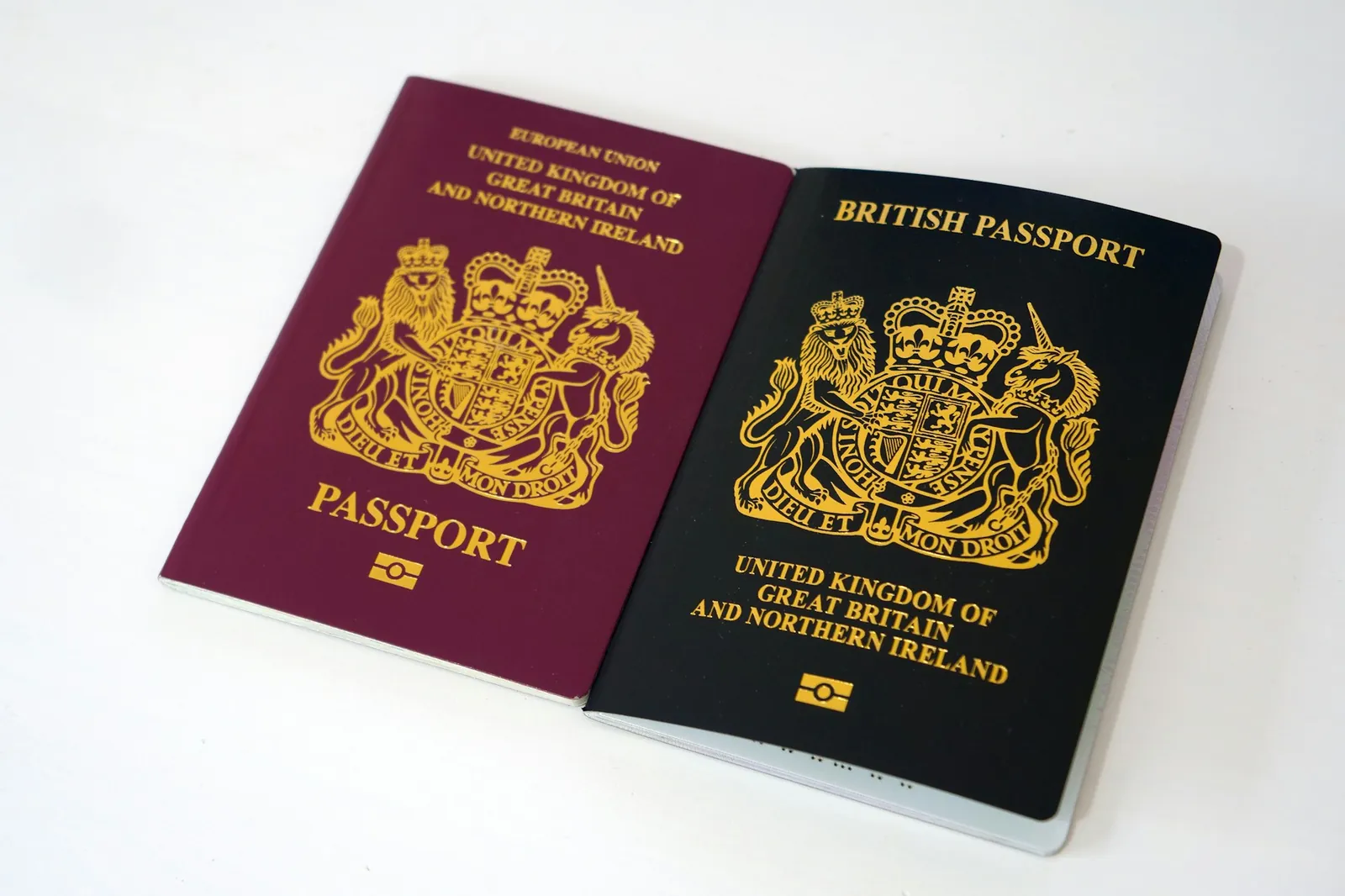
Visitors from the UK, US, Canada, Australia and New Zealand need no visa for up to 90 days in any 180, but the passport must meet Schengen rules. EES biometrics apply now; ETIAS does not yet.
Gran Canaria is part of Spain and of the Schengen area, so the rules are the ordinary Spanish ones. EU, EEA and Swiss citizens can enter with a passport or national ID card. Visitors from the UK, the US and other visa-exempt countries need no visa for a stay of up to 90 days in any 180-day period, a passport that meets the Schengen validity rules, and a few minutes at the EES booth the first time they cross the border. ETIAS, the online travel authorisation that has been promised for years, is not yet in force, and nobody should be paying for it now.
This page covers a normal holiday or winter stay. Staying longer than 90 days is a different subject, covered in the 90/180-day rule for UK citizens. Rules change, so check your own government's travel advice before you book; the links are at the end.
UK passport holders: what the passport must show
Since Brexit, a British passport is checked against the Schengen rules, and two conditions apply together. The passport's date of issue must be less than 10 years before the day you arrive, and its expiry date must be at least 3 months after the day you plan to leave the Schengen area. The expiry date does not need to fall within 10 years of issue, which is where the old «six months» rule from older websites goes wrong.
The trap catches people who renewed before 1 October 2018: the date of issue on such a passport may be more than 10 years back even though the expiry date looks fine, and the FCDO warns that it may then be invalid for entry. Check the date of issue, not just the expiry, before you pay for flights.
Two dates that decide your boarding. Look at two dates on the photo page: issued less than 10 years before arrival, and expiring more than 3 months after your planned departure from Spain. Fail either one and an airline can refuse to board you.
The 90 days in any 180 for tourists
UK and US visitors travelling as tourists, to see family or friends, to attend business meetings or for short courses can be in the Schengen area for up to 90 days in any rolling 180-day period. The count covers all Schengen countries together, and earlier visits in the previous 180 days count towards your 90. A winter in Arguineguín followed by a week in Portugal is the usual way people break the limit without noticing. Overstaying can lead to a ban of up to three years, according to the FCDO.
The same 90/180 rule applies to citizens of other visa-exempt countries, including the US, Canada, Australia and New Zealand. For a stay beyond that, a long-stay visa or residence permit is needed, and time spent on a residence permit does not count towards the 90 days. If you cannot leave before the limit because of something exceptional such as a medical emergency, the FCDO says to apply to the immigration authorities (Extranjería); the national information line is 060 from a Spanish phone, with English-speaking operators. Overwinterers planning four or five months should read the long-stay guide and the digital nomad visa page before booking.
EU, EEA and Swiss citizens
Citizens of EU and EEA countries and Switzerland have free movement and no 90/180 limit. A valid passport or national ID card is accepted. Flights from mainland Spain are domestic, but airlines ask for ID, so carry it. Long-term residents of a Schengen country are exempt from EES.
What happens at the border: EES
The EU's Entry/Exit System, EES, replaces the stamping of passports for short-stay visitors from outside the EU. It started on 12 October 2025 and, according to member states' authorities, has been fully in operation at all external border crossings since 10 April 2026. The first time you arrive you may be asked to register at a booth: a photo and fingerprints for adults (children aged 11 or younger have a photo taken but no fingerprints). It is free, and the record is valid for three years.
You do not need to do anything before you travel. Allow extra time at arrival at Gran Canaria airport and when you leave, and if staff direct you to an e-gate, the FCDO says to make sure you get your passport stamped. If you believe your record of days is wrong, ask a border officer to correct it at your next crossing.
ETIAS: not in force, and not for sale
ETIAS is the EU's travel authorisation for visa-exempt visitors. It has been announced for years, but as of late October 2026 it is not operational and no applications are being accepted. The European Commission has said it will announce the start date several months in advance, and no date has been announced. The fee, once it starts, is €20.
The UK government warns that any website selling ETIAS applications now is fraudulent. If a start date is announced, expect the official source to be the European Union's Travel Europe website. Until then there is nothing to buy and nothing to apply for.
What border officers may ask to see
Spanish border control may ask for any of the following, so keep them reachable rather than in the hold luggage.
- A return or onward ticket.
- Proof of travel insurance. A GHIC does not replace it; see travel insurance and the GHIC.
- Proof that you have enough money for the stay, which varies with your accommodation.
- A hotel booking, or proof of address if you own the property you are staying in, or an invitation if you are staying with a third party.
Most holidaymakers are waved through, but the FCDO lists these as the checks that can be made.
Residents and people with a Spanish residence card
British citizens who live in Spain under the Withdrawal Agreement do not need their passport stamped. They should show their residence document, the TIE, when presenting their passport at border control. Time spent on a residence permit does not count towards the 90 days. The old green EU registration certificate is not accepted as proof of exemption from EES, and the authorities recommend exchanging it for a TIE. Moving here, rather than visiting, is covered in the moving guide.
Spain's Golden Visa for investors was abolished on 3 April 2025 and cannot be applied for any more, despite many websites still advertising it.
Customs: the Canaries are a special case
The Canary Islands lie outside the EU customs and VAT territory, which is why the sales tax is IGIC, at 7 % in general, not VAT, and why you are subject to allowances when returning home. For UK arrivals the personal allowances include 200 cigarettes, 18 litres of wine, 4 litres of spirits above 22 % and goods worth up to £390 in total. Meat and milk products cannot be brought into the EU from outside it. Check GOV.UK for the full list before you shop.
Practical points before you fly
- Check the issue date of every passport in the party, including children's.
- Make sure your mobile plan works abroad; see the mobile and internet guide.
- Read the first-time checklist for the rest, and the practicalities page for plugs and the time zone.
Frequently asked questions
Do I need a visa to go to Gran Canaria from the UK?
No, not for a holiday or a stay of up to 90 days in any 180-day period across the Schengen area. Your passport must have been issued less than 10 years before you arrive and be valid for at least 3 months after you leave.
Is ETIAS required for Spain in 2026?
No. ETIAS is not yet in force, no applications are being taken and no start date has been announced. The fee will be €20 once it begins. The UK government says websites selling ETIAS now are fraudulent.
Do Americans need a visa for Gran Canaria?
US citizens travelling for tourism do not need a visa for up to 90 days in any 180-day period in the Schengen area. They need a passport that meets the Schengen validity rules and will be registered in EES at the first entry.
What is EES and does it cost anything?
The Entry/Exit System registers fingerprints and a photo of visitors from outside the EU when they first enter the Schengen area. It is free, the record lasts three years, and it replaces passport stamping.
Can I use my passport if it expires in four months?
Only if it expires at least three months after the day you plan to leave the Schengen area, and was issued less than 10 years before you arrive. Four months of validity is enough for a stay of up to a month, no more.
Do EU citizens need a passport for Gran Canaria?
A valid passport or national ID card is accepted for EU, EEA and Swiss citizens. Airlines will ask for it even on flights from mainland Spain.
Sources
- FCDO travel advice for Spain, Entry requirements – passport rules, 90/180, border checks, EES
- GOV.UK – EU Entry/Exit System guidance
- European Commission – ETIAS status and fee
- GOV.UK – Living in Spain: TIE and residence documents
- BOE – Ley Orgánica 1/2025, ending the Golden Visa
- GOV.UK – bringing goods into the UK for personal use