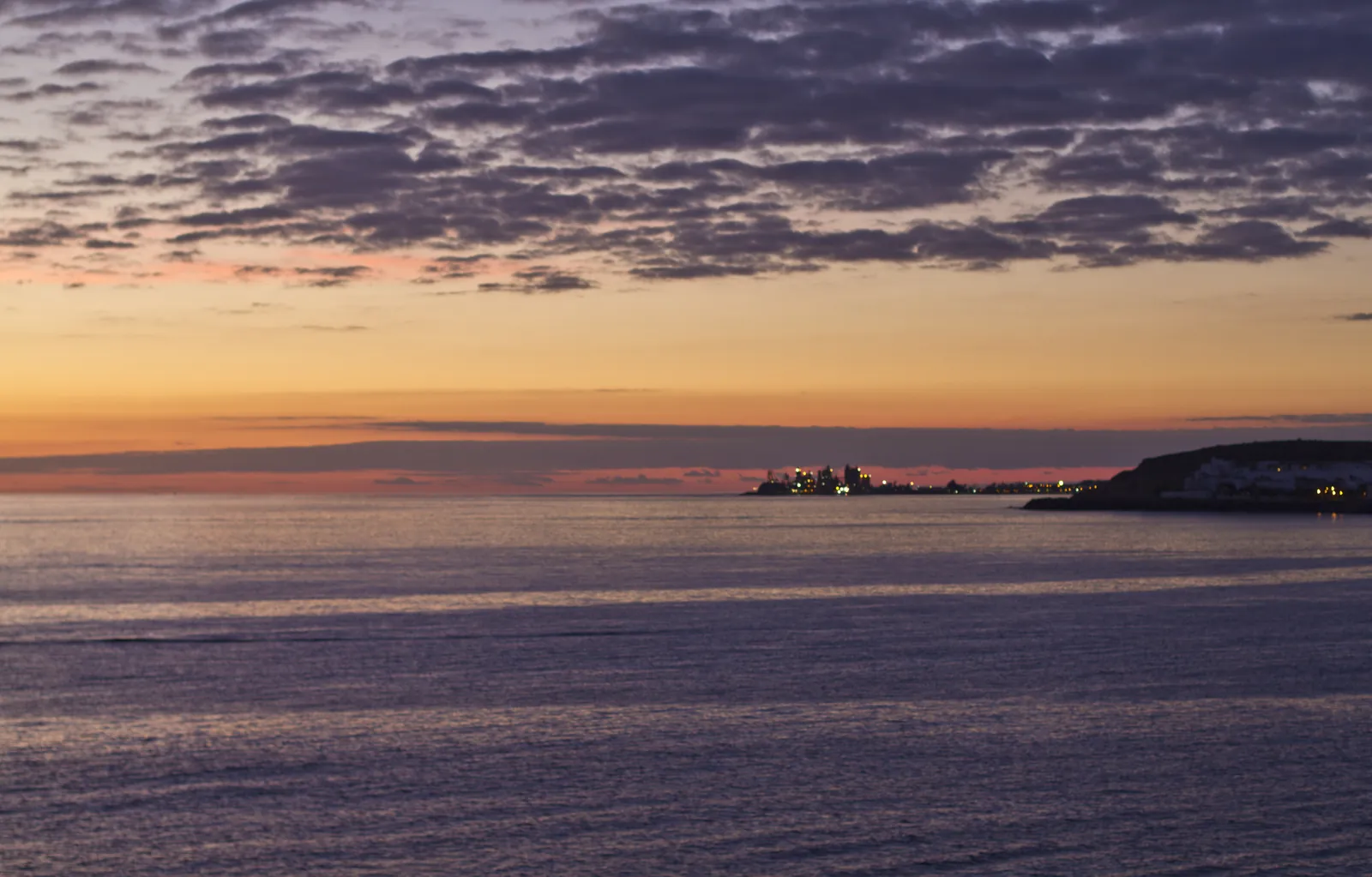
Arguineguín has one of the best-known Norwegian communities in the Canaries, with its own church and school. For an English-speaking visitor it mostly means a settled, winter-heavy town.
Arguineguín has a large, long-established Norwegian community, with a smaller Swedish and wider Nordic presence. Norwegians make up a big share of the town's winter residents, and they have an infrastructure to match: the Norwegian Seamen's Church (Sjømannskirken) on Calle La Lajilla, a full Norwegian school in the valley just outside town, clubs, shops and bars. If you are British or another English speaker, none of this gets in your way. It shapes the rhythm of the year and the character of some streets more than it shapes your holiday.
This page explains where the community comes from, what is visibly Scandinavian in town, and how to fit in without needing a word of Norwegian.
Why Scandinavians settled here
The reasons are the same ones that bring British overwinterers: dark northern winters, and a place on the south-west coast of Gran Canaria that is mild and usually sunny; see what winter sun really means here. What makes Arguineguín different is that Scandinavian institutions arrived early enough to become part of the town, and they attract more of the same. A church, a school and a few Norwegian-run businesses make a winter stay easier for a family, which in turn makes the next family more likely to come. Numbers are not published, so no headcount is given. The Norwegian-language Wikipedia article on the town describes Norwegians as a large share of the winter residents, alongside other Scandinavians, British and Germans.
The Norwegian Seamen's Church
Sjømannskirken på Gran Canaria is the best-known Norwegian address in town. It stands at Calle La Lajilla 18, close to the promenade and the town beach; its own staff describe it as having been in its present premises since 2008. It is a church, but also a social and practical meeting place for Norwegians of all ages. According to its website the church offers a café, counselling and support, family activities, and services, and says its counselling is free.
At the time of writing the church café was open Tuesday to Saturday from 11:00 to 15:00, with a Sunday service at 18:00 held in the local Catholic church. Programmes change through the season, so check the church's own page before you go. Visitors who are not Norwegian are not the target audience, but the church café is a place to see the community at work. The church is part of the wider Norwegian Church Abroad organisation.
Calle La Lajilla 18, the Norwegian church. If you want to drop in, it is a short walk from the harbour along the seafront; see the town laid out area by area for walking times. Opening times for the café vary, so check the programme first.
The Norwegian school
Den Norske Skole Gran Canaria (Colegio Noruego) is an approved Norwegian primary and upper secondary school, covering years 1 to 13. It is in the Barranco de la Verga, in Mogán, a few minutes from the resort areas according to the school, and about 2 km from the centre of Arguineguín according to Norwegian sources. The school says it admits pupils for a single year or for the whole of their schooling. This matters to the town in a practical way: families do not have to choose between the winter sun and their children's education, which is a large part of why some Norwegians live here for months or for good. For schooling options in general, see schools in and around Arguineguín.
What is visibly Scandinavian in town
- Language on signs and in shops. Some businesses advertise in Norwegian as well as Spanish and English, and you will hear Norwegian spoken in cafés and on the promenade.
- Norwegian-run services. Norwegian-run clinics and shops have been part of the town for years, according to local and Norwegian sources; for health care as a visitor, use the health guide and check what is currently open.
- Clubs. The Norwegian-language Wikipedia article on the town mentions Norwegian clubs and a Lions Club chapter with Norwegian and Swedish members; current details change, so ask locally.
- A Nordic hotel. The Sunwing Arguineguín hotel is run by Nordic Leisure Travel Group, the company behind the Ving, Spies and Tjäreborg holiday brands, which makes it one of the town's most visibly Nordic businesses even though it keeps its English-language name.
How the community shapes the seasons
The town runs on two calendars. Winter, from roughly October to April, is when the long-stay Scandinavians and British are here, the clubs are busy and the cafés fill with regulars. Summer is generally quieter for the resident community. If you want a lively, social Arguineguín, winter is the time; if you want quiet streets and a beach to yourself, go in the shoulder months. Practical advice for long stays is in the guide for overwinterers and budget, insurance and clinics.
Does it affect prices?
No published data compares prices in Arguineguín with other resorts, so there is no basis to say the Scandinavian presence raises or lowers them. What we can say is that a settled winter population supports year-round restaurants, pharmacies and services that a purely seasonal resort would not, which is part of what separates the town from places that go quiet out of season. For where costs run higher, see prices in Arguineguín.
Where British visitors fit in
Easily. Spanish and English both work in the town, and the Scandinavian community is welcoming of visitors in the ordinary way of any small town. British overwinterers and Nordic residents often share the same cafés, the same Tuesday market and the same promenade. The thing to know is that some social activity, such as church events and club evenings, is organised in Norwegian and aimed at Norwegians, so treat those as the community's own space rather than a visitor attraction. The town's wider character and what it is like for first-time visitors are in why Arguineguín, and for a choice between this town and its neighbours, which base suits you.
Frequently asked questions
Why do so many Norwegians go to Arguineguín?
It offers mild, sunny winters on Gran Canaria's south-west coast, and it already has Norwegian institutions, including a church, a school, clubs and shops. Each makes it easier for the next family to stay for a season.
Is there a Norwegian church in Arguineguín?
Yes. The Norwegian Seamen's Church (Sjømannskirken) is at Calle La Lajilla 18, by the promenade. It runs a café and activities and offers support to Norwegians; check its website for current times.
Is there a Norwegian school in Arguineguín?
Den Norske Skole Gran Canaria is in the Barranco de la Verga, in Mogán, about 2 km from the centre of Arguineguín. It is an approved Norwegian school for years 1 to 13.
Do I need to speak Norwegian or Spanish?
No. English is widely used in tourist businesses, and a few words of Spanish are always appreciated. Norwegian is useful only inside the community's own events.
Are there Swedes in Arguineguín too?
Yes, though in smaller numbers than Norwegians. Swedish and other Nordic residents take part in some of the same clubs and activities, according to Norwegian-language sources.
Is Arguineguín quieter in summer?
Generally, yes. The long-stay winter community thins out in summer, and the town is calmer.