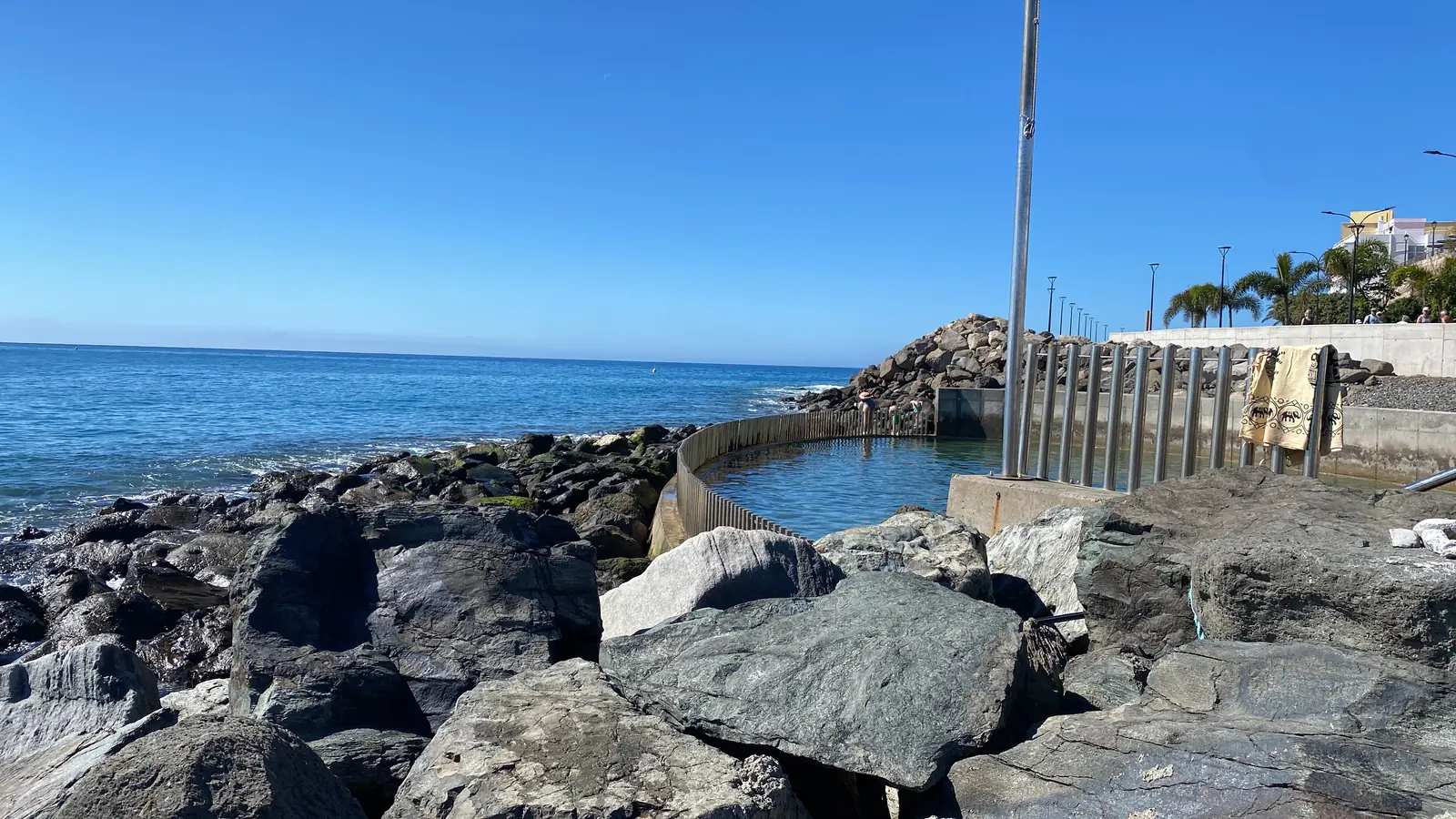
Arguineguin has long been a favored destination for tourists seeking beautiful beaches, warm weather, and a welcoming atmosphere. However, recent years have brought significant changes to the region. Immigrants arriving by boats from the west coast of Africa, many of them brought into the harbour here, have raised concerns about their impact on the local community and the tourist experience. This article explores how these arrivals affect the safety, security, and overall appeal of Arguineguin for its visitors.
Immigrants Arriving by Boat from West Africa
The immigration issue in Arguineguin has taken on a new dimension with many newcomers arriving by boat from the west coast of Africa. These journeys, often fraught with peril, continue as economic and political challenges drive individuals to seek refuge and better opportunities. Boats intercepted at sea by the rescue service Salvamento Marítimo are often brought to the quay in Arguineguín. The arrival of these immigrants has stirred a debate about the balance between humanitarian aid and maintaining a secure environment for tourists.
Immigration brings cultural diversity and new perspectives, but a sudden influx can strain resources and create tension. In late August 2020 a temporary camp for 400 people was set up on the quay, run by the Red Cross for the Interior Ministry; by mid-November about 2,600 people were held there, far beyond the legal 72-hour limit, and it was emptied on 29 November 2020. The concern centers on whether such an influx leads to increased disruptions or even minor criminal activities in popular tourist areas.
Tourist Experience and Community Concerns
Visitors to Arguineguin noticed the changes most clearly in autumn 2020, when the crowded camp sat beside the harbour promenade. Since the camp closed, most visitors see little more than the occasional rescue boat coming in. Misunderstandings and language barriers occur in any town with many nationalities, and some visitors have raised questions about the future of tourism in the area, but no official data shows that the arrivals have changed the holiday experience.
Local businesses are also feeling the impact. With a sharp increase in the number of people arriving by boat in 2020, some businesses worried that the images from the quay might deter tourists. Today the quay is used, as before, by the fishing fleet, the excursion boats and the sea-rescue service.
Concerns Over Crime, Gangs, and Public Safety
Another area of concern for both tourists and locals is the potential rise in crime and gang-related activities. Official statistics do not link the immigration from west Africa to a surge in criminal incidents, and no official source supports claims of local gangs or organized groups connected with the new arrivals. The Interior Ministry's figures for the whole municipality of Mogán, with its large tourist population, show 2,062 recorded offences in 2025 (up 15.3 %): most were thefts (884), with 14 violent robberies and no homicides.
Law enforcement in Arguineguin remains vigilant: the Policía Local has a 24-hour station in the town, and the Guardia Civil also covers Mogán. Nevertheless, the perceived increase in criminal activity, whether real or not, has made some tourists feel uneasy. For visitors the main risk is petty theft, as in any resort: keep valuables out of sight and call 112 in an emergency. See also Is Arguineguín safe?
Striving for a Balanced and Secure Community
Efforts are underway to manage the challenges brought by these new arrivals while maintaining the unique charm that Arguineguin is known for. Reception is the responsibility of the Spanish state and the Canary Islands government, working with sea rescue, the police and non-profit organizations such as the Red Cross, and the 2020 camp showed how hard that becomes when numbers rise quickly.
For tourists, staying informed about local developments is key. Understanding that the immigration issue is complex and multifaceted can help visitors navigate any unexpected situations more confidently: a rescue boat entering the harbour is a humanitarian operation, not a danger to visitors. The community’s commitment to ensuring a safe and enjoyable experience for all remains a top priority, with ongoing efforts to address both humanitarian concerns and the need for security in popular tourist areas.
In short, the arrival of immigrants by boat from the west coast of Africa is reshaping the social landscape of Arguineguin. While the situation raises valid concerns regarding safety and crime, the official figures point to petty theft rather than immigration as the main risk, and it also presents an opportunity for community growth and cultural enrichment. By focusing on proactive measures and open communication, Arguineguin can continue to be a welcoming destination for tourists while addressing the challenges posed by new arrivals.
Sources
- Ministerio del Interior – Balance de Criminalidad, fourth quarter 2025 (Mogán, provisional figures)
- Diario de Avisos – the Arguineguín camp is emptied after three months and nine days (Nov 2020)
- The Objective – camp opened 20 August 2020, capacity 400 (Nov 2020)
- Mogán tourism – safety: Policía Local and Guardia Civil