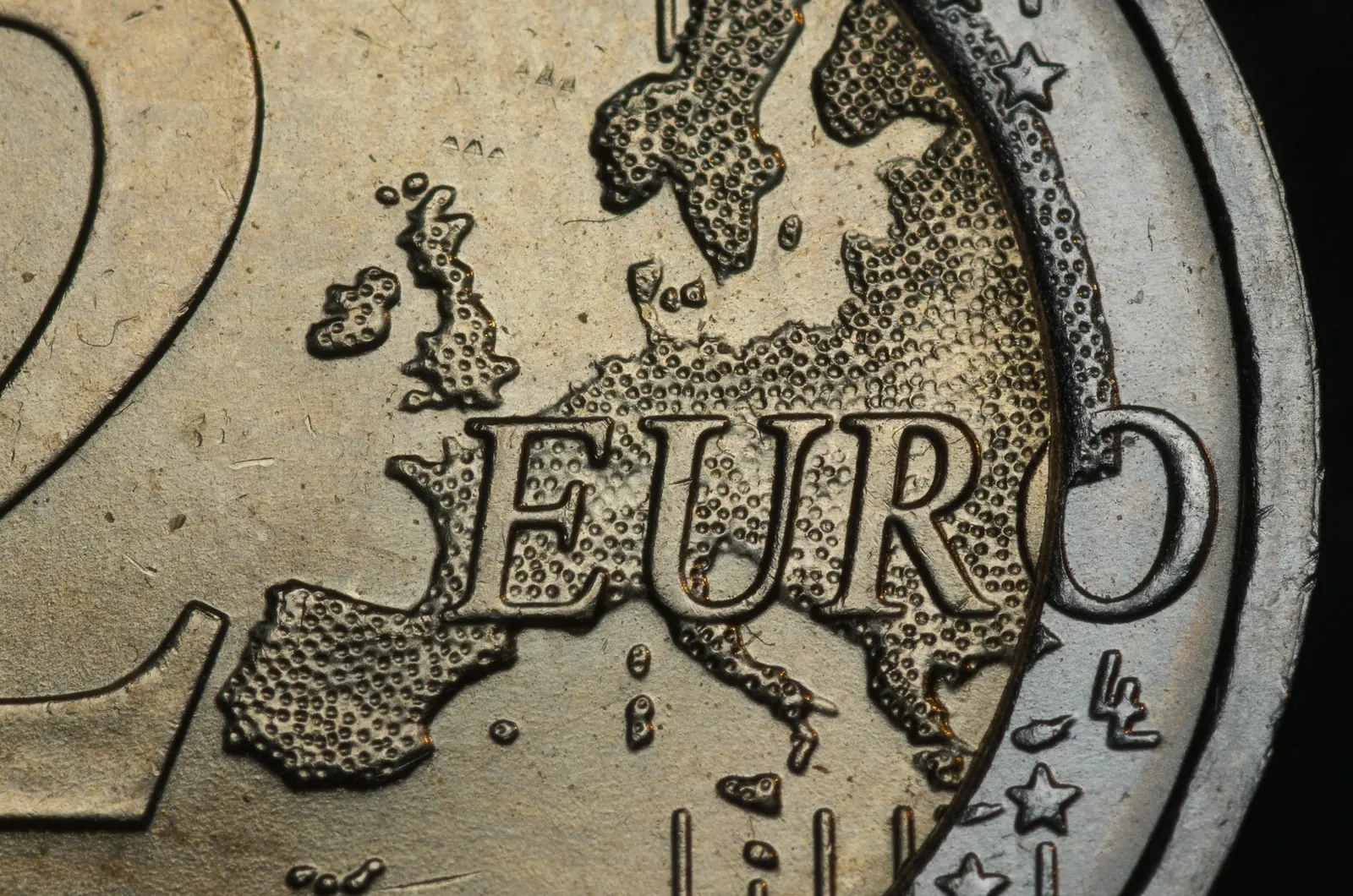
Arguineguín uses the euro, and cards and phones work on the buses, so you rarely need much cash. At any ATM or card terminal that offers to charge you in sterling, say no and pay in euros.
Spain, and so Gran Canaria, uses the euro. There is no separate Canary currency and no need to order pounds' worth of euros at the airport. A bank card does most of the work: Global's buses have a card terminal, shops and restaurants take cards, and cash machines are in the town. Keep a little cash for small things, and when a machine or terminal asks whether you want to pay in sterling or euros, choose euros.
This page is about how to pay and withdraw. What things cost is in the prices guide, and tipping and bills in restaurants are in the eating-out guide. What is not on any official page, such as the exact fee your own bank charges, we leave to your bank's tariff, because it differs from card to card.
The euro in the Canaries
Spain is one of the euro area countries listed by the European Central Bank, and the Canary Islands are part of Spain. Prices are in euros, change comes in euro coins and notes, and you pay the same way as in Madrid or Málaga. The one money-related difference is tax: the Canaries charge IGIC, with a general rate of 7 per cent, instead of mainland VAT. It is built into the price you see and is not a separate payment at the till, so you do not need to do anything about it.
Paying by card, contactless or phone
Cards are the normal way to pay for a tourist's day. On Global's buses, every bus has a card terminal and accepts debit and credit cards, including contactless phones, as well as cash and the authorised transport cards. That is the clearest published statement on card use in the area, and it covers the bus you are most likely to take from the airport; the bus guide has the fares.
The FCDO notes one more thing worth knowing: you may need to show photo ID when you pay by card in a shop, and some shops accept a driving licence or a copy of your passport while others ask for the passport itself. Carry a photo of the passport page on your phone, and leave the original in the accommodation safe unless you need it.
Small cafés, market stalls and some kiosks are the places where cash is easiest. At the Tuesday market (Arguineguín's Tuesday market) a handful of coins and small notes makes the stall owner's day easier and spares you hunting for a machine.
Cash machines: what to do and what to watch
You can withdraw euros at a cash machine with a UK or other foreign card. Three things decide what it costs you:
- Your own bank's charges. UK banks set their own fees and exchange-rate markups for spending and withdrawals abroad. They differ by account and change over time, so check your bank's current tariff before you travel.
- The machine's own fee. Some ATMs may add a fee of their own. Read the screen before you confirm, and cancel if you do not like what it says.
- The currency prompt. This is the one that catches people, and it is covered next.
Withdraw a larger amount less often rather than small amounts several times if your bank charges a flat fee per withdrawal, but do not carry more than you need. Street crime is the main safety issue in Spain according to the FCDO; see whether Arguineguín is safe. Use machines inside a bank branch or in a busy, lit place, and shield the keypad.
Pay in euros, not sterling: dynamic currency conversion
At some machines and card terminals you will be asked: "Do you want to pay in euros or pounds?" Offering to charge you in your home currency is called dynamic currency conversion, or DCC. It sounds helpful because you see the pound amount at once. The catch is that the machine's operator sets the exchange rate, and the rate is usually worse than the one your own card network and bank would apply. The Post Office's travel money guidance and the European consumer organisation BEUC both advise refusing it, and BEUC has called for it to be banned across the EU.
So the rule is simple. If a screen shows the amount in sterling and offers to confirm it, choose the local currency, euros. At a restaurant, if the waiter brings the card machine, check the currency before you tap or enter your PIN. The same applies to shops, hire-car desks and hotels.
Euros or pounds on the Arguineguín card machine? If the terminal shows a pound total and asks you to accept it, you are being offered DCC. Decline, and ask the staff to charge in euros. If the payment has already gone through in sterling, ask for a refund and a new payment in euros while you are still at the counter.
Changing money
You can avoid changing money entirely by using a card. If you do want cash in hand before you leave home, order it from your own bank or a post office at home, where you can compare rates. In Spain, the FCDO's advice is to use official exchange offices or banks, because unofficial money changers may give you counterfeit notes, and using counterfeit money is a serious crime in Spain. That also means no changing cash with a stranger on the street, however good the rate.
If your card is lost, stolen or swallowed
Have your bank's emergency number saved on your phone, not just in your wallet, and know which numbers work from abroad: use the international number printed on the back of the card or in the bank's app. Block the card first, then report a theft to the police (the steps are in the emergency numbers guide). Take a second card from a different account on holiday, and keep it in a different place to the first. Your bank's fee schedule, not this page, tells you how fast a replacement can be delivered to Spain.
If the thing that was lost is a passport rather than a card, the FCDO says you cannot use a police report to leave Spain. You need a new passport or an emergency travel document.
Cash for the practical bits
A float of euro coins and small notes is useful for:
- market stalls and craft sellers;
- a bus or the boat, if you prefer not to tap a card (cash is accepted on Global's buses, coins and notes);
- a tip, if you want to leave one in cash.
You do not need to carry hundreds of euros. A typical day in Arguineguín is a walk, a swim, lunch and a bus or boat ride, and almost all of it can be paid by card. Mobile data for your banking app matters too, because card alerts and apps work better with a signal: see mobile and internet in Arguineguín.
Frequently asked questions
What currency is used in Gran Canaria?
The euro. The Canary Islands are part of Spain, so prices, coins and notes are the same as on the mainland.
Can I use contactless on the bus in Arguineguín?
Yes. Global says every bus has a card terminal and accepts debit and credit cards, including mobile contactless payments, plus cash and authorised transport cards.
Should I pay in pounds or euros on a card machine in Spain?
Euros. Paying in pounds means the machine's operator sets the exchange rate, which is usually worse than your bank's. This is called dynamic currency conversion, and consumer groups advise declining it.
Do ATMs in Arguineguín charge a fee?
Some may. The machine should show any fee before you confirm, and your own bank may add a charge or exchange-rate markup. Check your bank's tariff for foreign withdrawals before you travel.
Is it safe to change money on the street?
No. The FCDO says to use banks or official exchange offices, because unofficial changers may hand you counterfeit notes, and possessing or using them is a serious crime in Spain.
Do I need ID when I pay by card?
Sometimes. The FCDO says you may be asked for photo ID when buying with a credit or debit card, and some shops accept a driving licence or a copy of the passport, while others ask for the passport.